Crown and Vertex Restoration
Crown Hair Transplant Edinburgh
Crown hair transplant treatment in Edinburgh may be considered for selected patients experiencing thinning or hair loss around the crown and vertex. Treatment planning must account for the natural crown whorl, donor supply, the size of the treatment area and possible future hair-loss progression.
- Natural crown-whorl angle and direction planning
- Careful graft allocation across the treatment area
- Donor-area and long-term hair-loss assessment
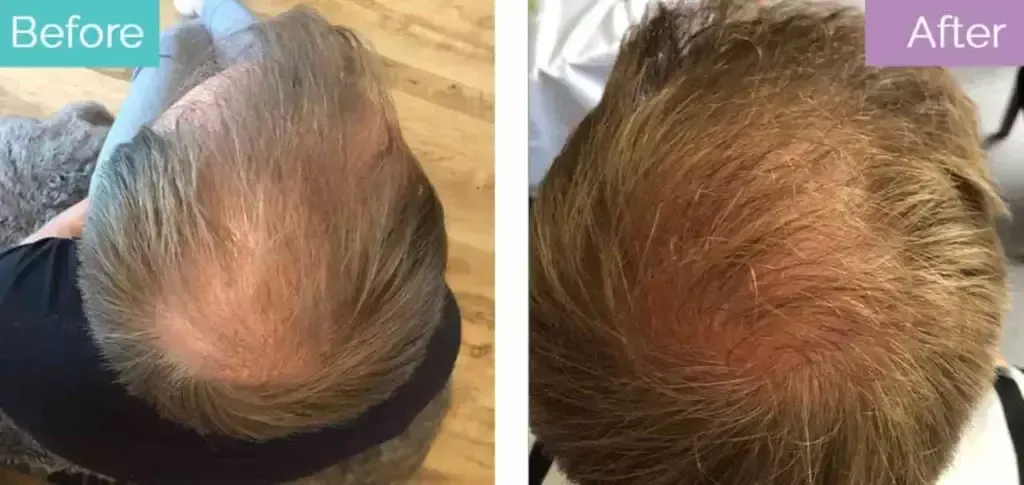
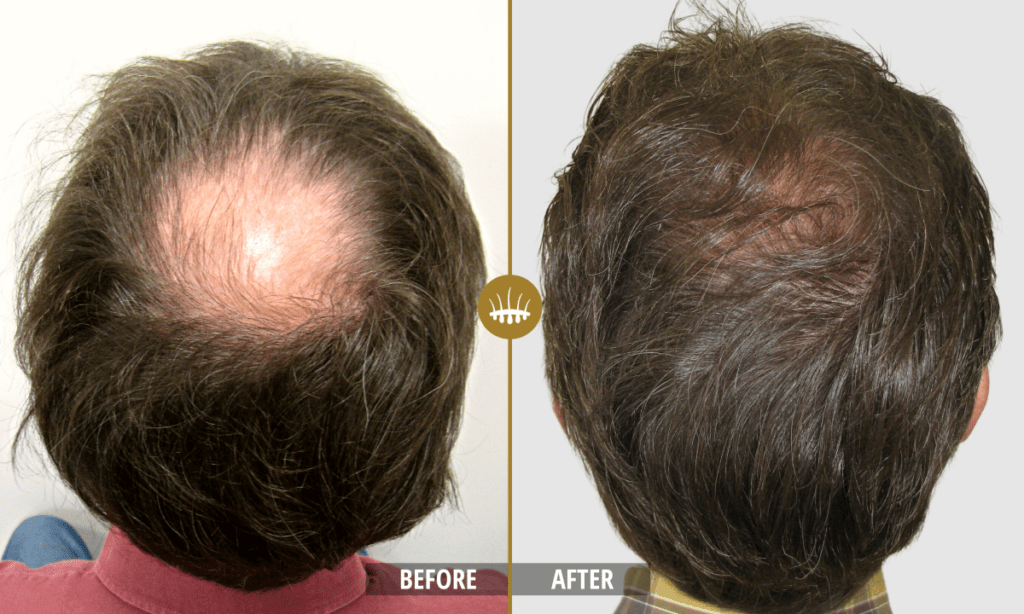
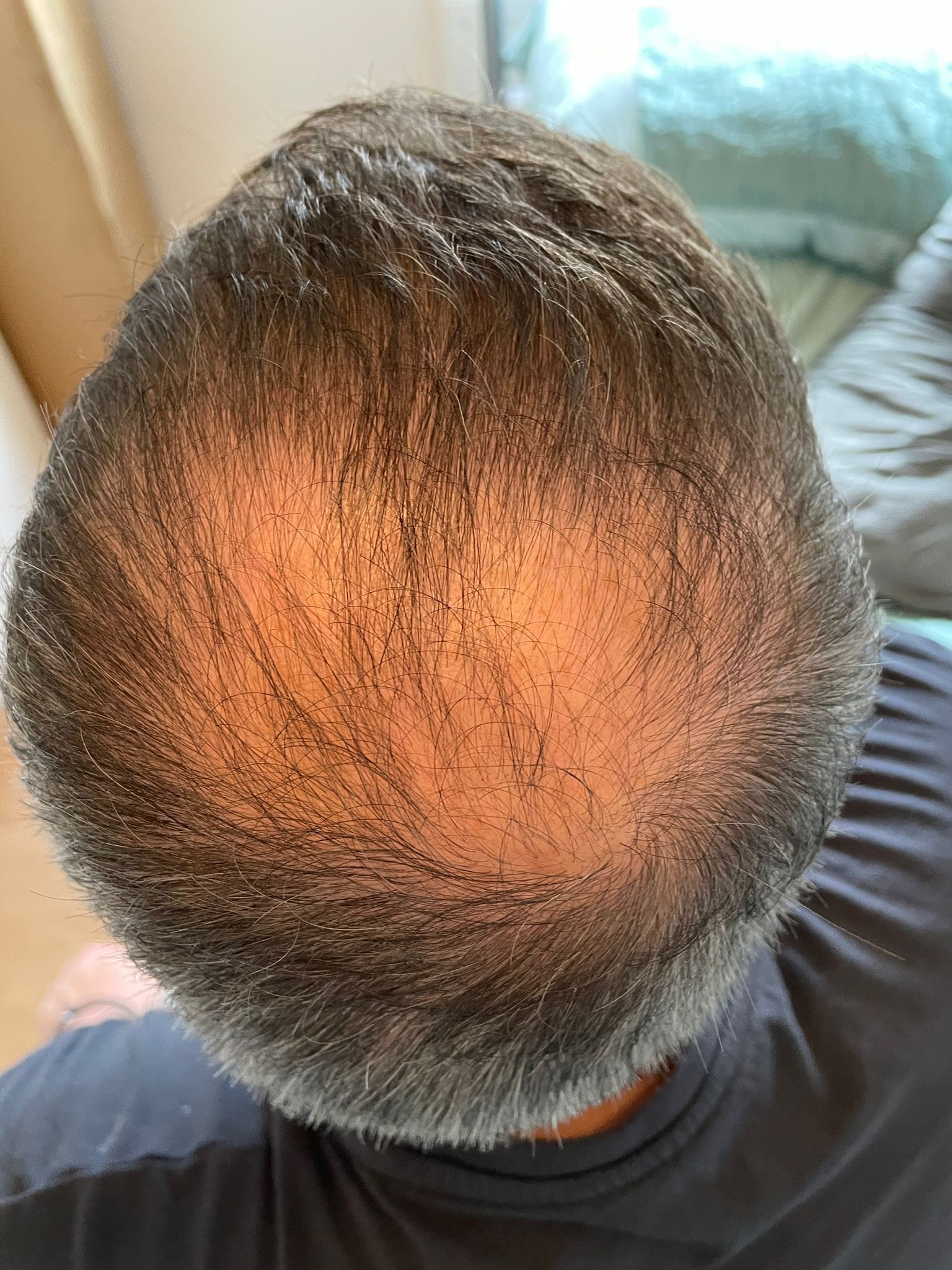 Before treatment
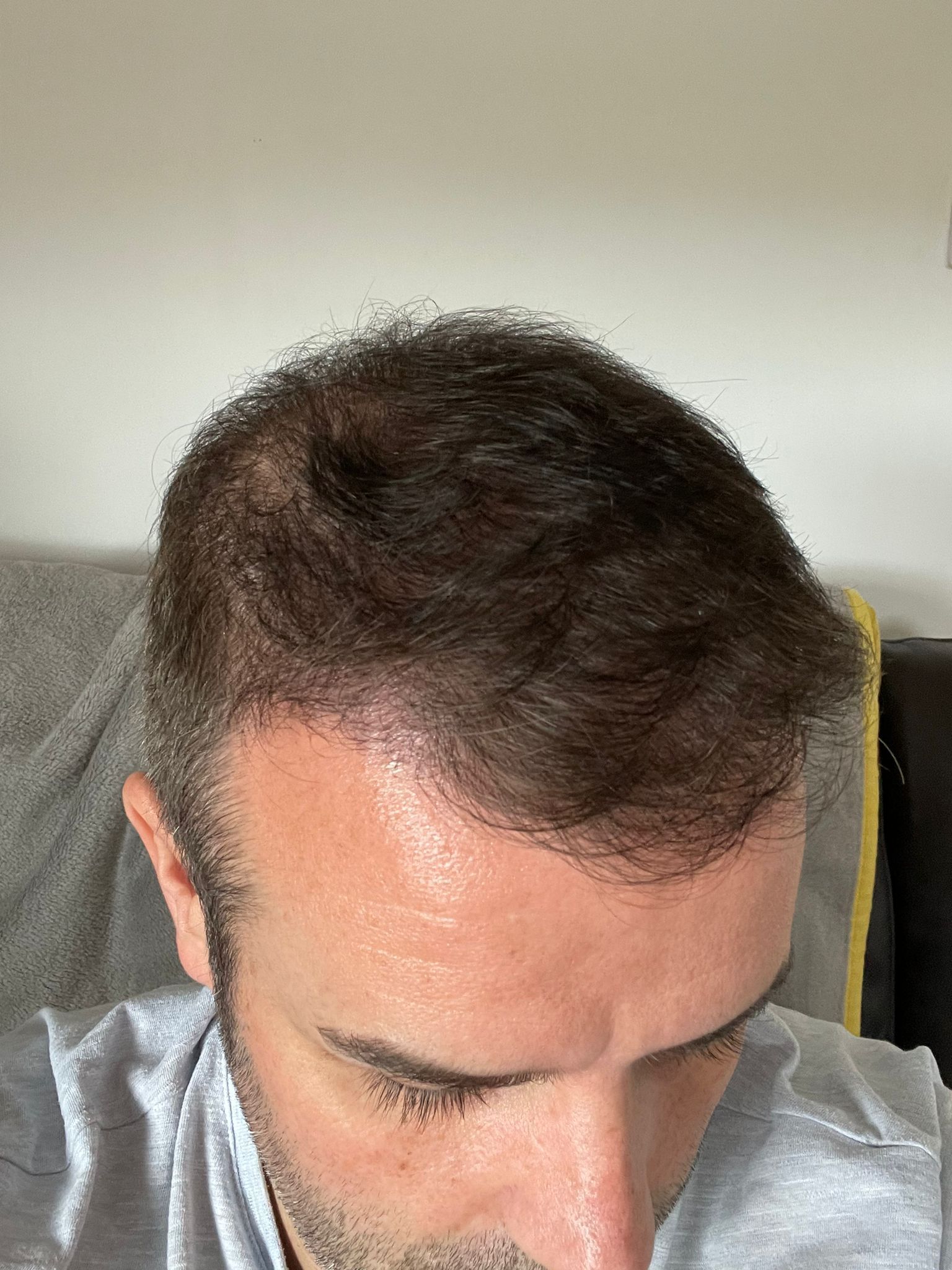 After treatment
What Is a Crown Hair Transplant?
A crown hair transplant moves suitable follicular-unit grafts from a hair-bearing donor area, normally at the back and sides of the scalp, into selected areas of thinning around the crown or vertex.
The crown has a natural circular or spiral growth pattern. Recipient sites therefore need to follow the existing whorl, including its centre, rotation, changing direction and shallow hair angles.
Treatment planning also considers the size of the thinning area, the available donor supply, existing hair density and possible future hair loss. Where both the frontal scalp and crown are affected, the available grafts must be allocated carefully rather than treating each area in isolation.
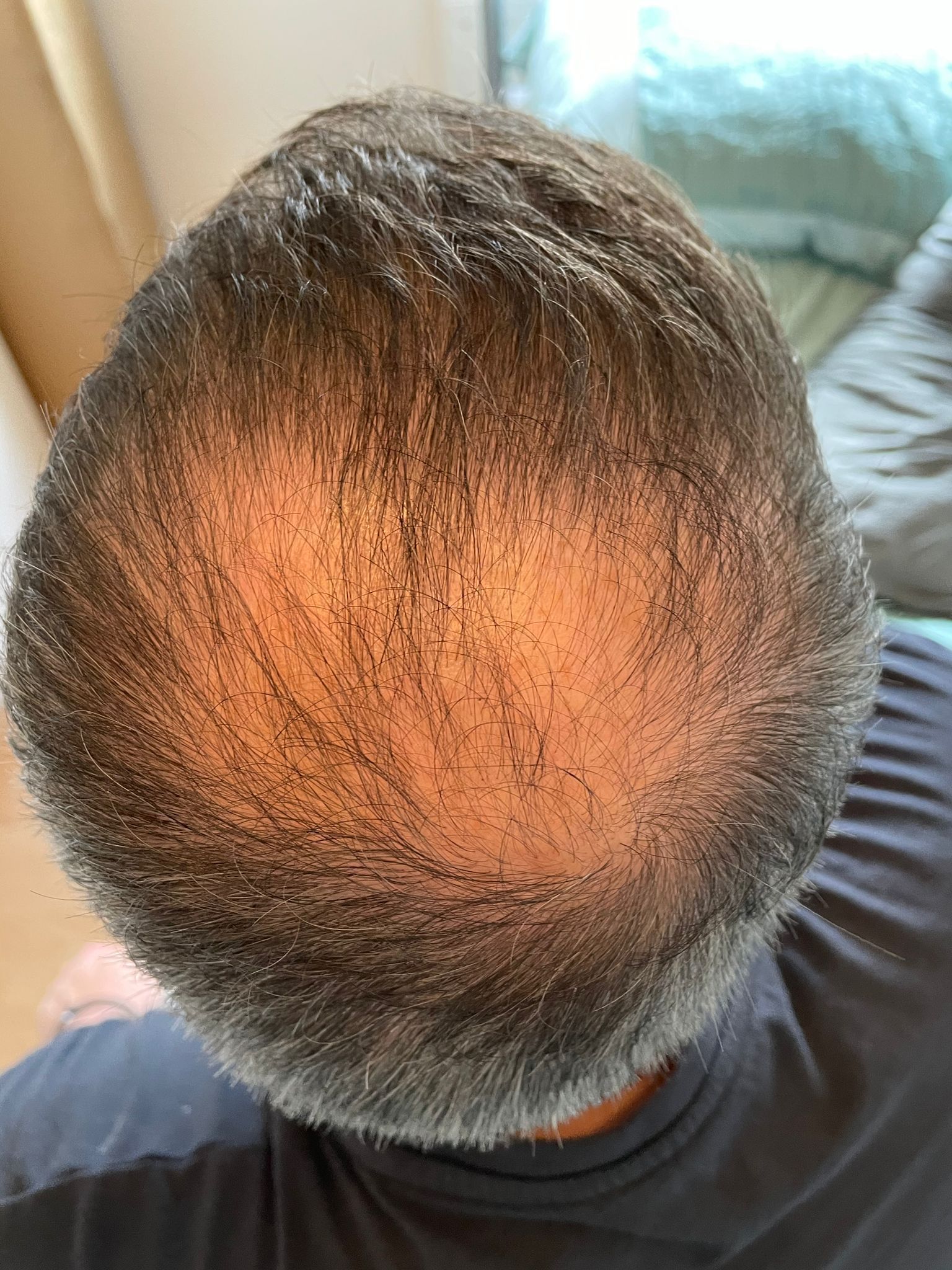
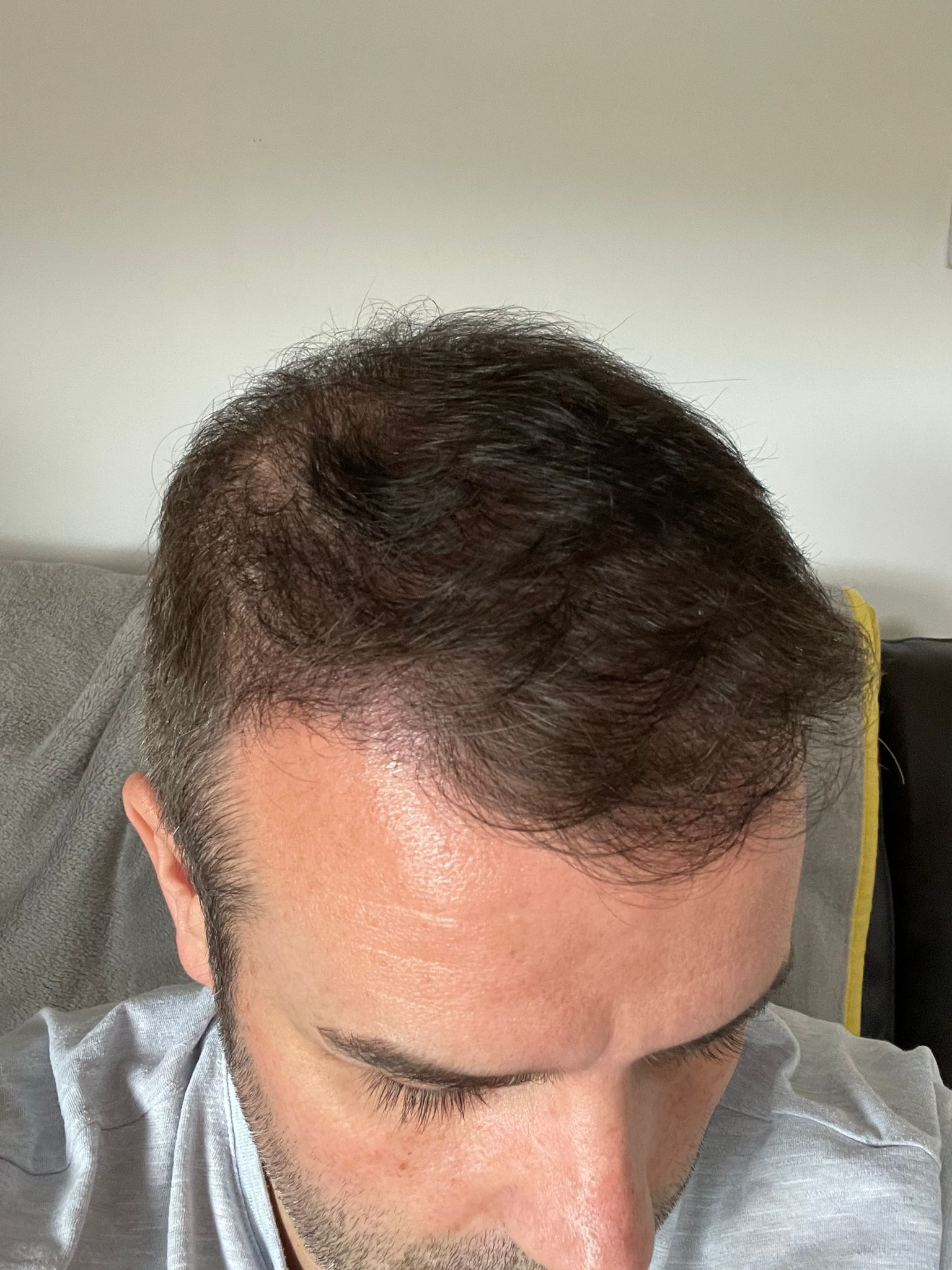
Crown Hair Transplant Patient Results
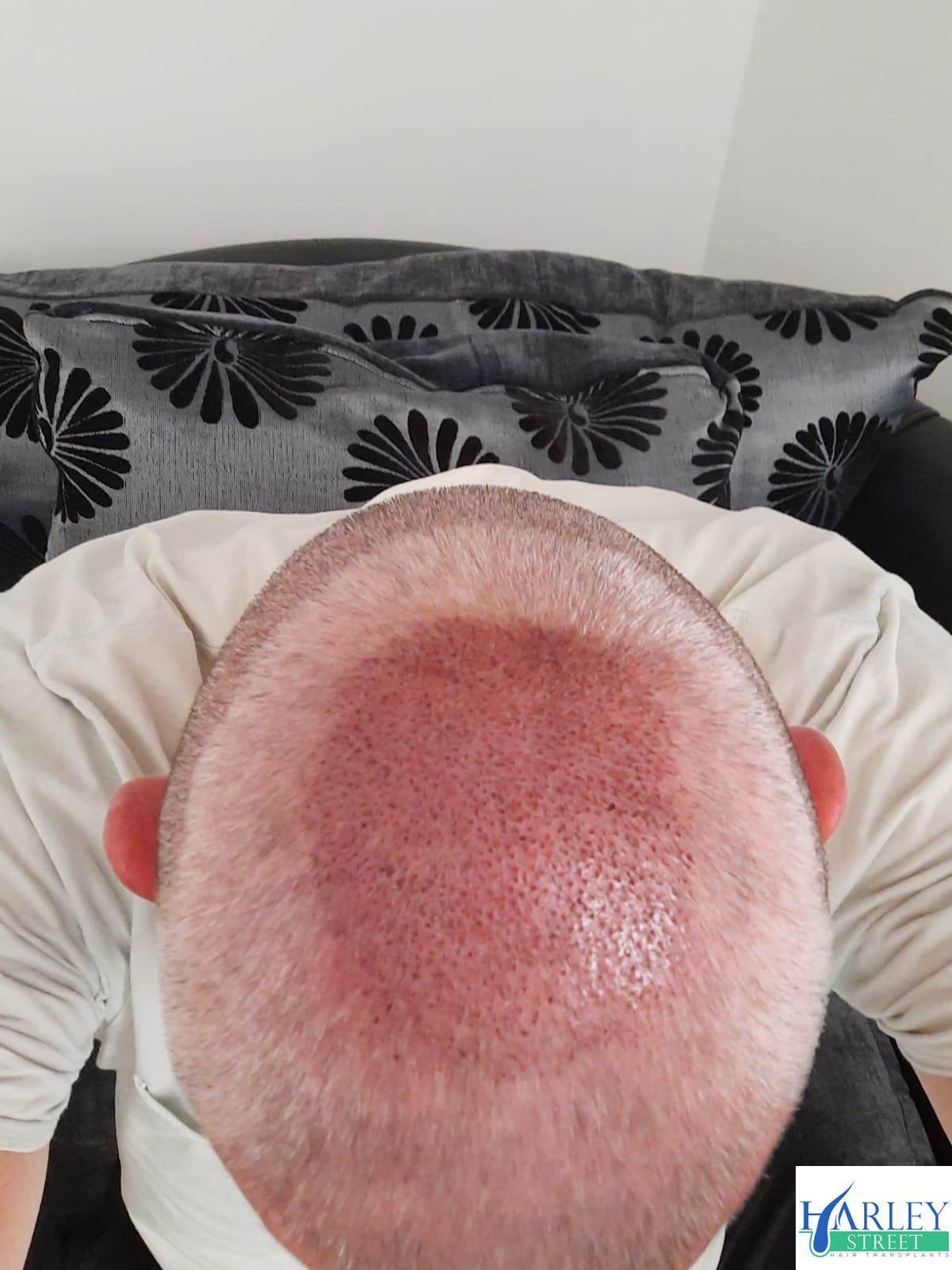
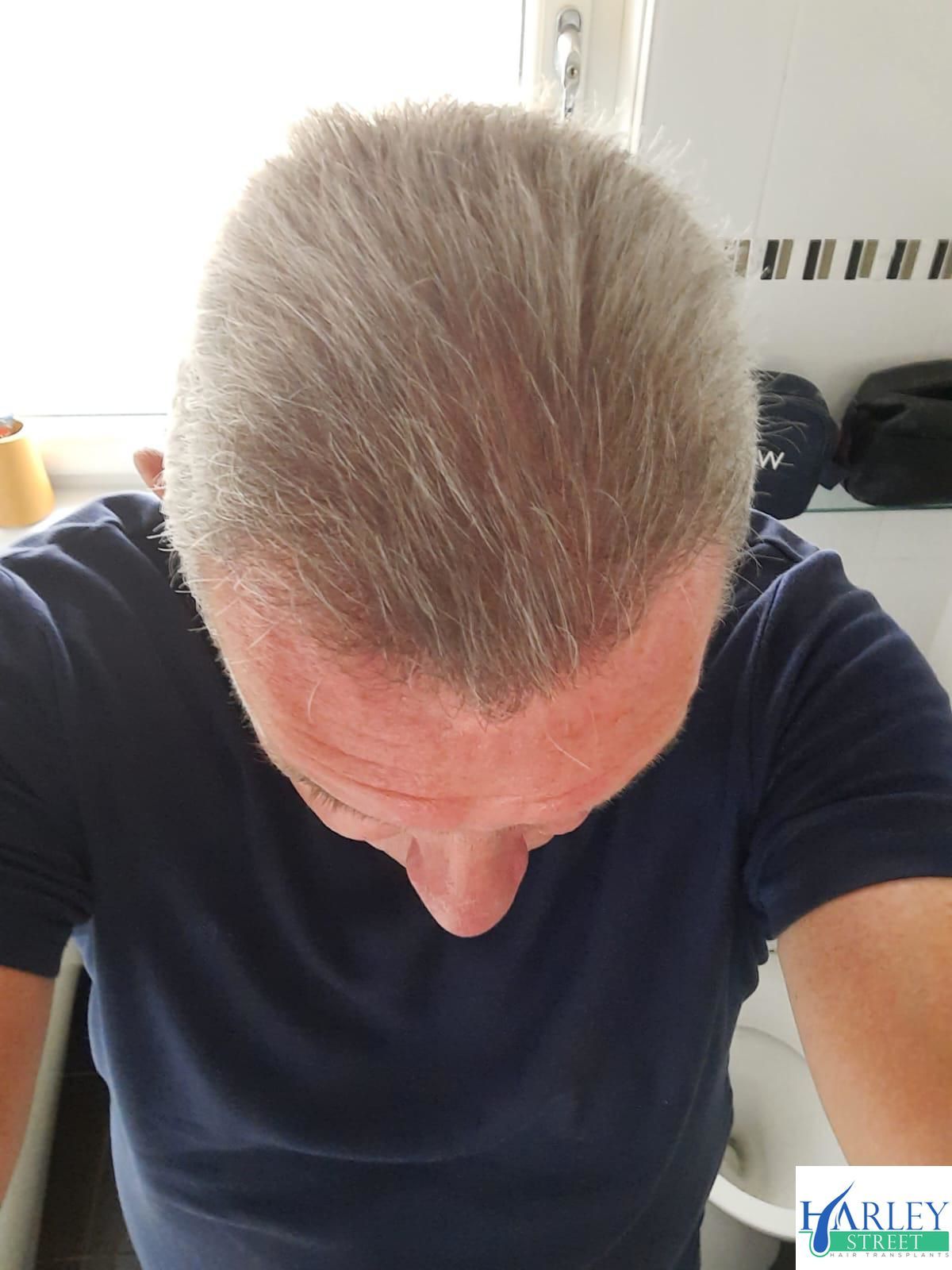

How Does a Crown Hair Transplant Work?
Consultation and donor assessment
The consultation reviews the crown pattern, existing hair, scalp health, medical history, donor density and the amount of donor hair that may be used responsibly.
Crown-whorl planning
The natural centre and rotation of the crown are identified. The proposed recipient sites are planned to follow the existing direction and changing angles of the surrounding hair.
Local anaesthetic and donor harvesting
Local anaesthetic is used to numb the treatment areas. With FUE, individual follicular units are separated and removed from the planned donor zone.
Recipient sites and graft placement
Recipient sites are created across the selected crown area. Prepared grafts are then placed according to the planned distribution, angle and direction.
Aftercare and follow-up
Written instructions should explain washing, sleeping position, exercise, donor-area care, recipient-area protection and when to contact the clinic.
Why Consider a Crown Hair Transplant?
Crown restoration may be considered where the thinning area is suitable for surgery and the donor area contains enough appropriate hair.
The purpose is to improve visible coverage while maintaining the natural whorl and preserving donor hair for possible future requirements.
A larger crown can consume a substantial number of grafts. The proposed improvement must therefore be balanced against the donor supply and any frontal or mid-scalp treatment priorities.
What Causes Crown Thinning?
Crown thinning is commonly associated with pattern hair loss, although the underlying cause should be assessed rather than assumed from photographs alone.
- Genetic pattern hair loss
- Progressive miniaturisation of existing crown hair
- Previous surgery or donor depletion
- Scalp inflammation or another medical condition
- Diffuse or unstable thinning requiring further assessment
Crown Hair Transplant Methods
FUE Crown Transplant
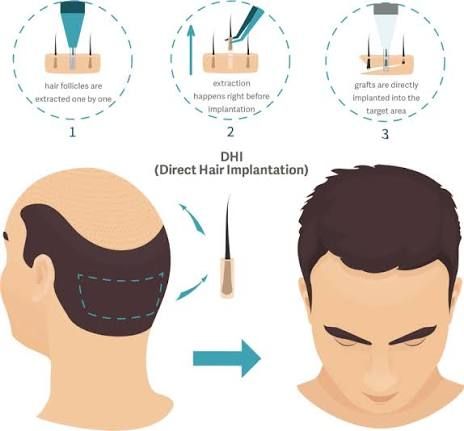
Individual follicular units are removed from the donor area and placed into recipient sites planned around the crown whorl.
DHI Crown Transplant
DHI normally combines individual graft extraction with placement using an implanter device. It is a placement approach rather than an additional source of donor hair.
FUT Crown Transplant
FUT removes a strip of donor scalp that is divided into follicular-unit grafts. It produces a permanent linear donor scar and may be considered for selected treatment plans.
Choosing the Method
No method is automatically best for every crown. The recommendation should follow donor assessment, graft requirements, scarring preferences, treatment priorities and long-term planning.
Crown Hair Transplant Recovery
First few days
Redness, swelling, tenderness and small recipient-area scabs may occur. Follow the individual washing and sleeping instructions supplied by the clinic.
First two weeks
The grafts need protection from rubbing, scratching, pressure and accidental contact. Do not pick the scabs or use unapproved products.
Following weeks
Implanted hairs may shed after the initial healing period. This does not necessarily mean that the underlying graft has been lost.
Around four months
Early new growth may begin to appear. It can initially look fine, uneven or difficult to see under strong overhead lighting.
10–18 months
Hair thickness, texture and visual coverage normally continue developing gradually. Crown maturation may take time because of the size and spiral arrangement of the area.
Crown Hair Transplant Cost
Cost depends on the size of the crown, the estimated graft requirement, donor suitability, selected technique, previous surgery and whether another scalp area also requires treatment.
The written quotation should confirm the total treatment cost, proposed graft allocation, surgeon, treatment location, aftercare arrangements and relevant payment terms.
Risks and Limitations
- Bleeding, swelling, tenderness and temporary scabbing
- Infection or a reaction to medication or anaesthetic
- Visible donor or recipient-area scarring
- Temporary altered sensation, itching or tenderness
- Temporary shedding of transplanted or existing hair
- Uneven or limited graft growth
- Continued thinning of untreated natural hair
- Donor limitations restricting achievable coverage
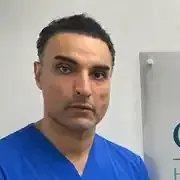
Dr Harpreet Kalra
Hair Transplant Surgeon · GMC reference 7126076
Crown assessment includes review of the donor area, existing crown whorl, progression of hair loss, scalp health, hair characteristics and the relationship between the crown and any frontal treatment priorities.
The proposed plan should explain the treatment method, graft allocation, whorl design, costs, recovery arrangements and the limits created by the available donor supply.
Patient Reviews
Read current feedback relating to consultations, communication, treatment arrangements, recovery guidance and aftercare.
Read Patient Reviews on GoogleCrown Hair Transplant FAQs
Can a hair transplant restore the crown?
Selected crown-thinning cases may be suitable where the donor area, scalp health, hair-loss pattern and treatment expectations are appropriate.
Why can the crown require a large number of grafts?
The crown may cover a broad circular area. Grafts also need to follow the existing whorl rather than being arranged in straight rows.
Can the crown and hairline be treated together?
Selected patients may combine the areas, although the donor supply and the long-term importance of frontal restoration must be considered.
Is FUE or DHI better for crown restoration?
Neither method is automatically better. The recommendation should follow donor assessment, graft requirements, placement needs, scarring preferences and surgeon planning.
Does crown hair take longer to develop?
Crown improvement can appear gradual because of the whorl pattern, viewing angle, lighting and the size of the treated area. Individual timing varies.
Can crown thinning continue after surgery?
Existing natural hair around the transplanted area may continue to thin, so possible future progression should be considered during planning.
How much does a crown hair transplant cost?
Cost depends on the crown size, estimated graft requirement, donor suitability, selected technique, case complexity and aftercare arrangements.
Considering Crown Restoration?
Arrange an assessment to discuss the size and progression of the crown thinning, donor supply, whorl design, treatment options, costs, recovery and aftercare.
Request a Consultation