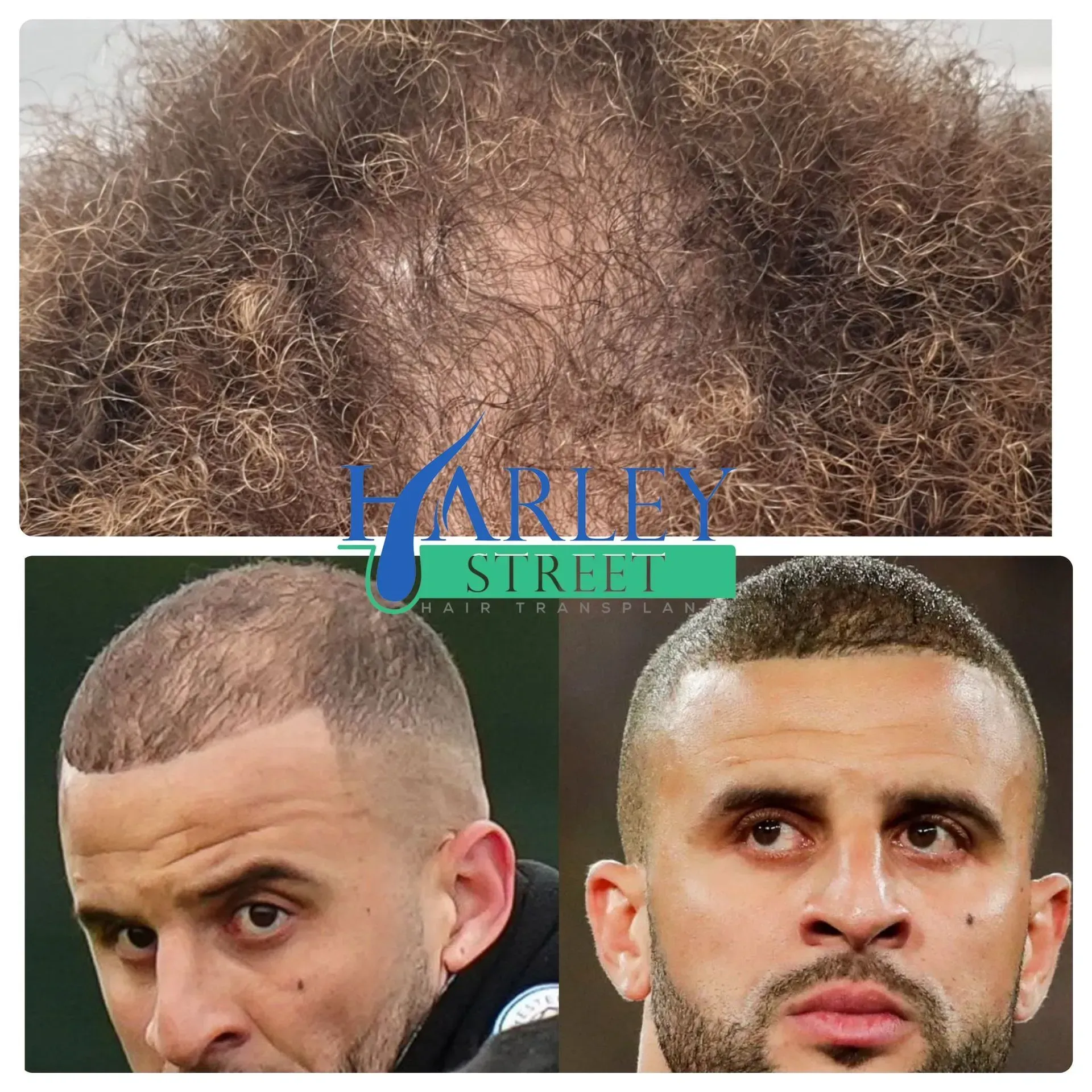
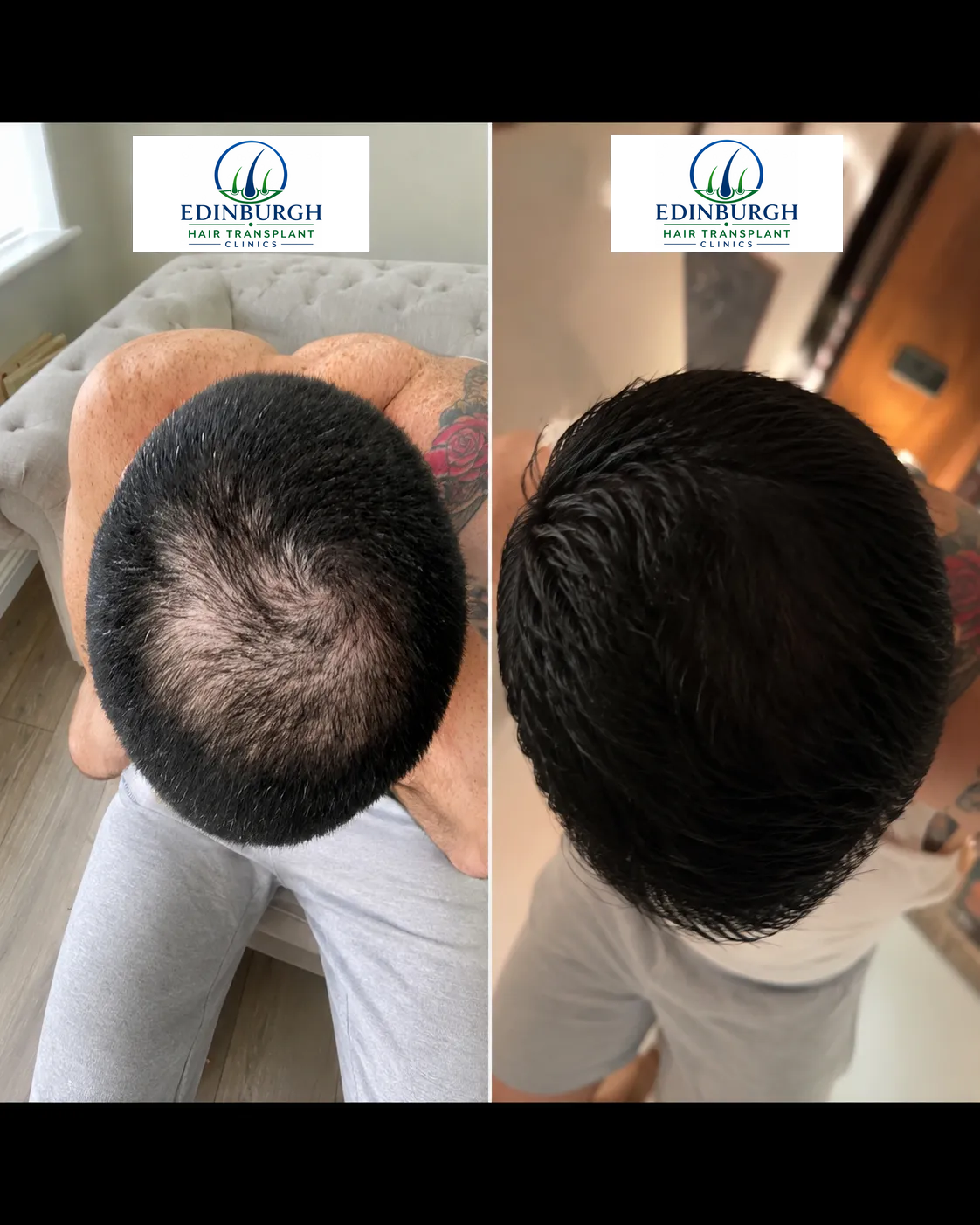
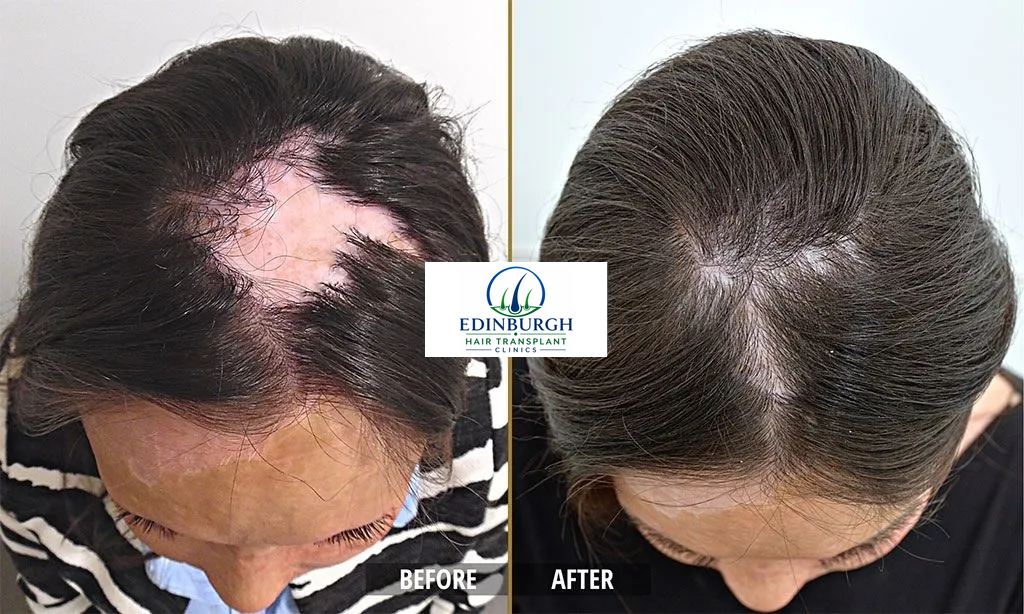
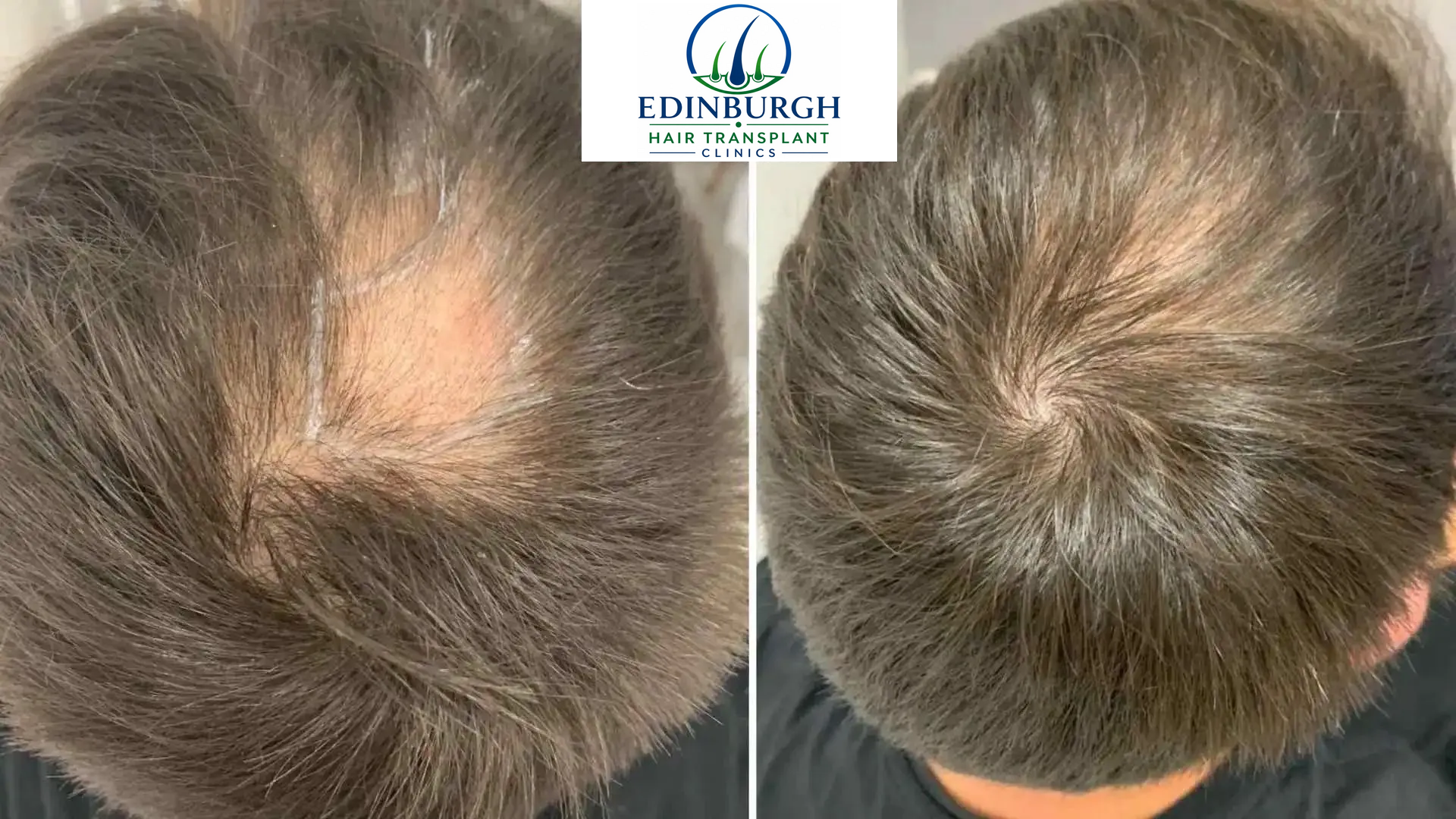
FUE Extraction
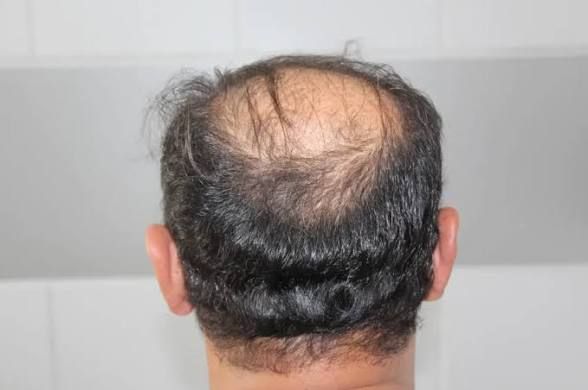
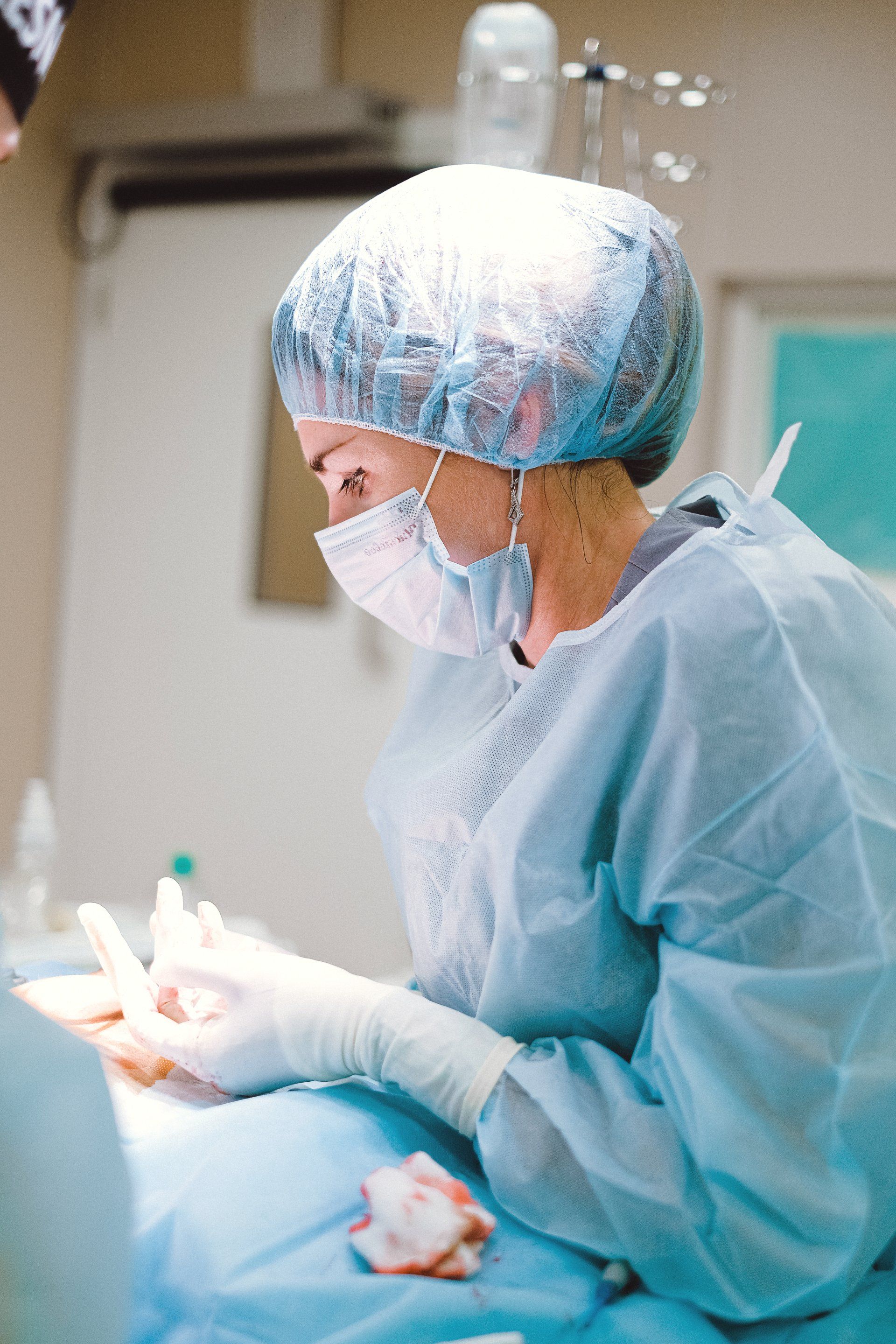
Individual follicular units are removed using small punches. Donor healing and visible scarring vary between patients.
Read about FUE →

Hair transplant information and patient guides
Read our latest articles about hair loss, FUE, DHI, FUT, treatment areas, costs, recovery, shedding, donor planning and aftercare.
The blog provides clear information to help patients prepare useful questions before deciding whether a surgical or non-surgical treatment may be suitable.
Recently published
Read the newest hair transplant news, clinic updates, treatment guides and patient information from Edinburgh Hair Transplant Clinics.

Discuss your hair-loss concerns
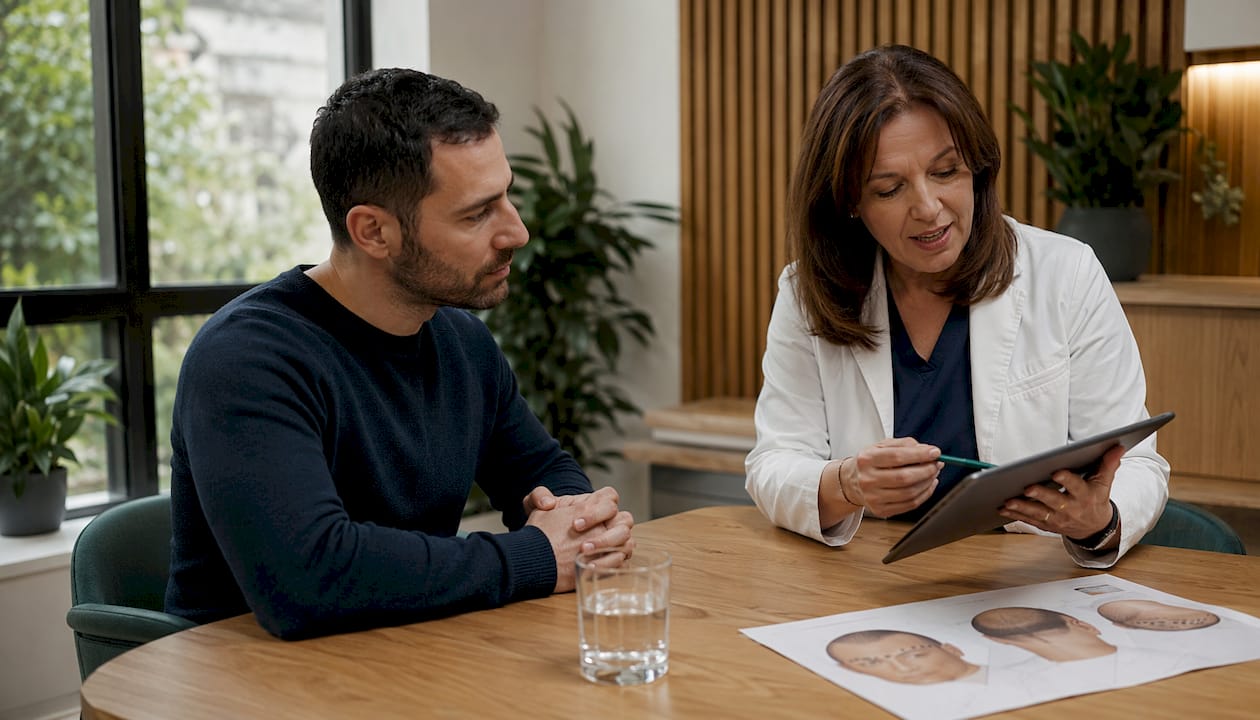
Complete the secure consultation form so the Edinburgh team can contact you about your hair loss, donor area and treatment objectives.
Alternatively, call 0131 639 0004.
Understand the main procedures
Procedure names can be confusing. The harvesting method, graft handling, placement plan, donor supply and surgeon assessment all matter.
Individual follicular units are removed using small punches. Donor healing and visible scarring vary between patients.
Read about FUE →DHI normally describes graft placement using an implanter device, commonly after FUE-style extraction.
Read about DHI →FUT removes a strip of donor scalp and leaves a permanent linear donor scar.
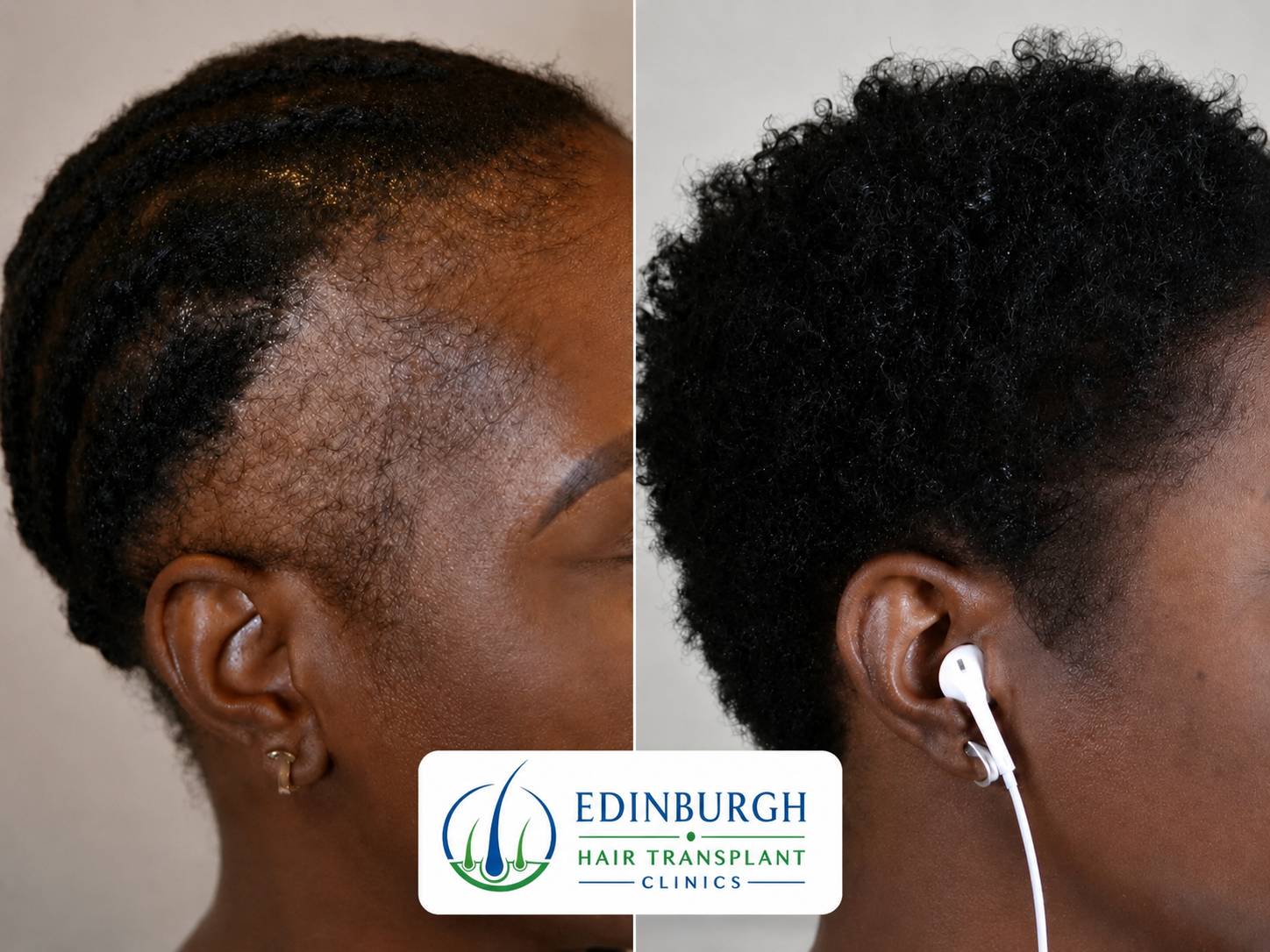
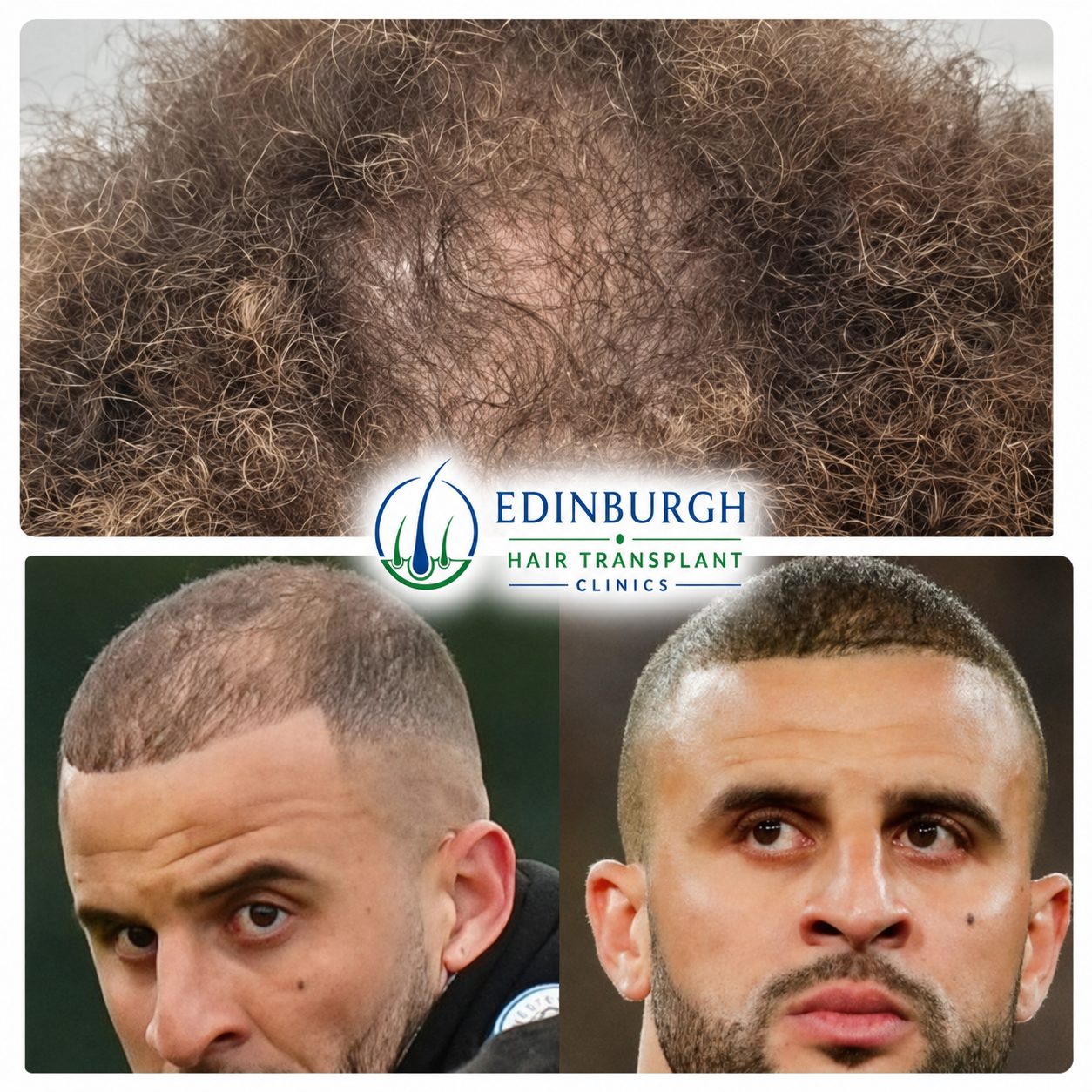
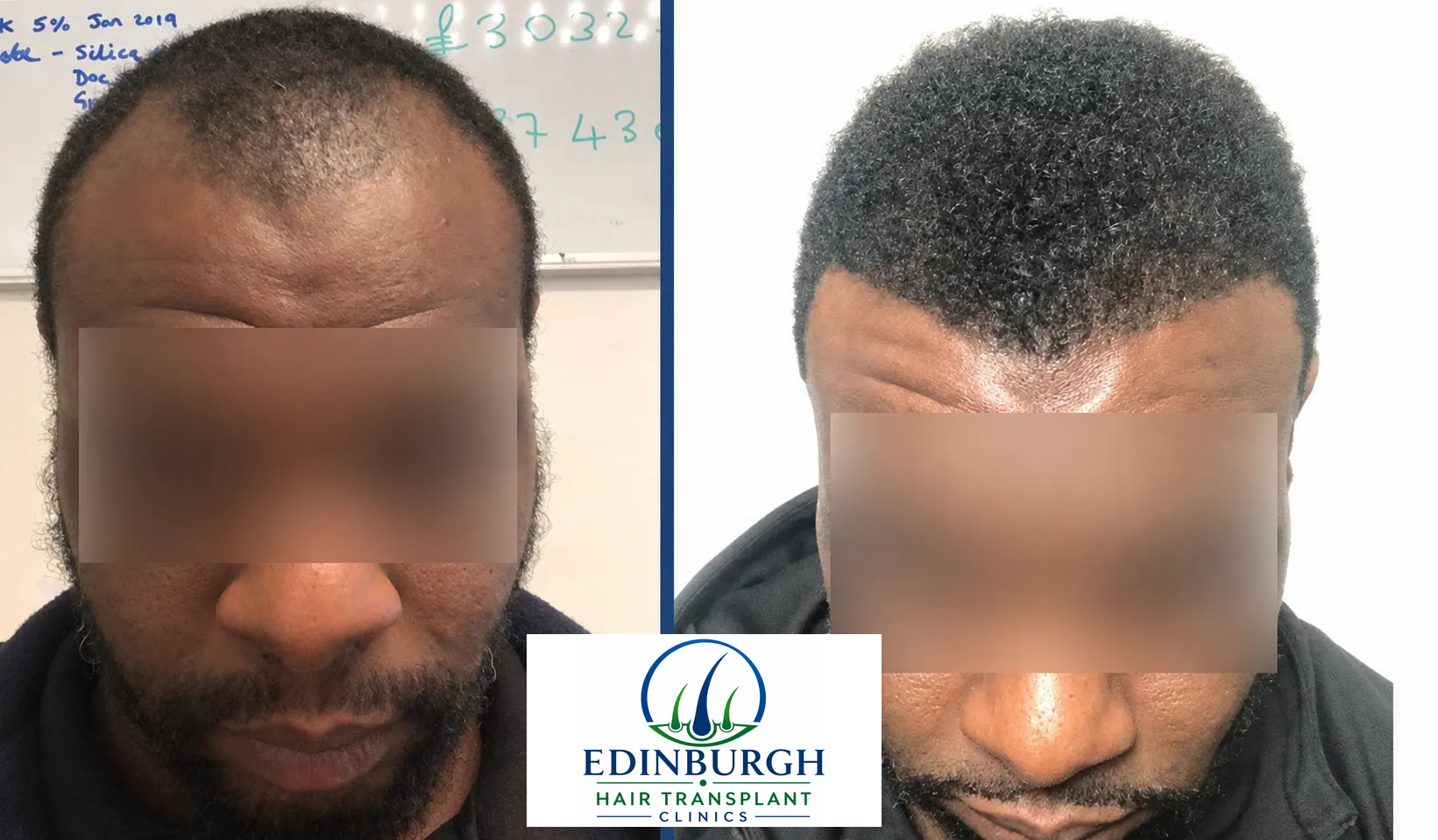
Read about FUT →Curved follicles, curl characteristics and individual scarring history require careful assessment.
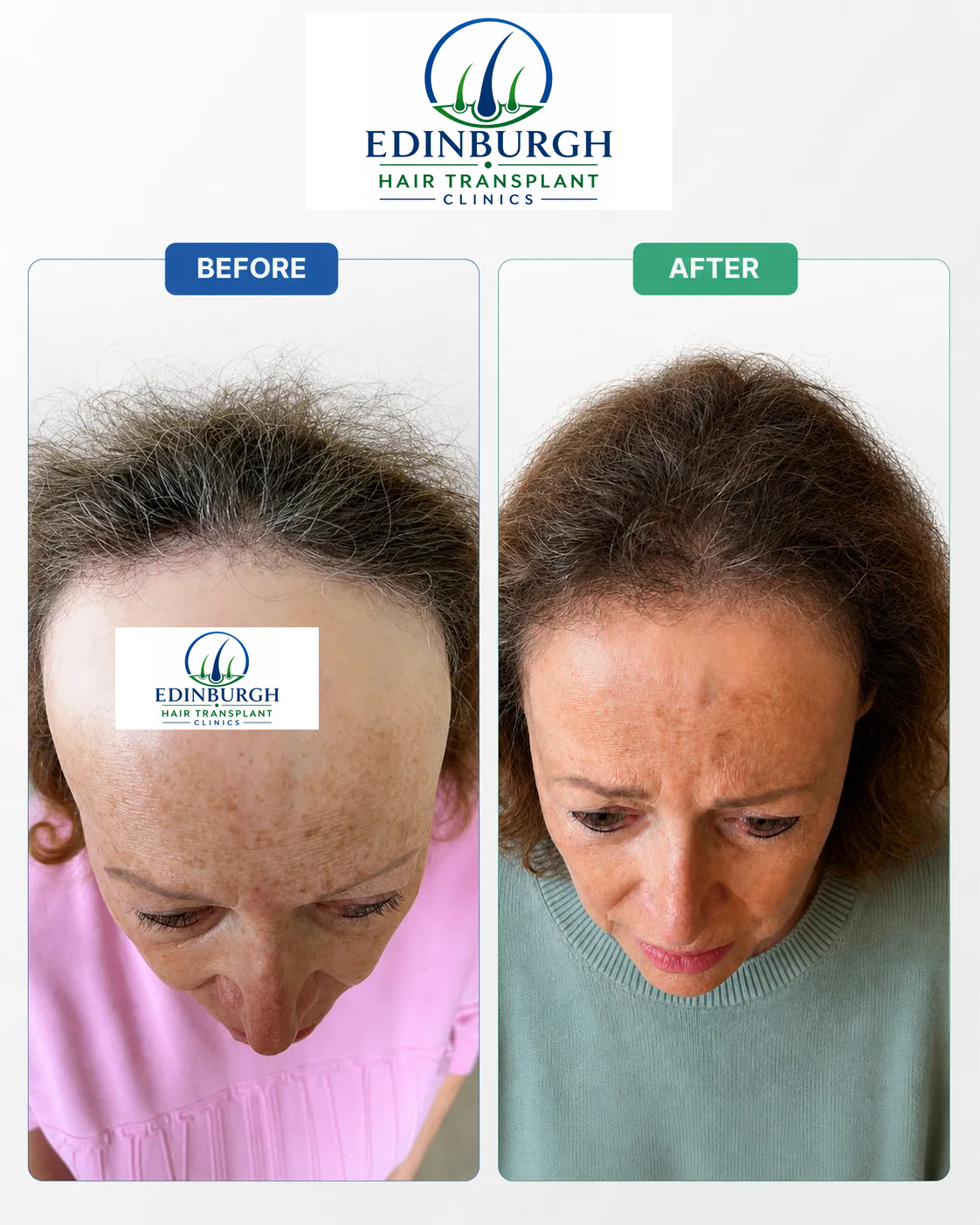
Read about Afro hair transplantation →Female hair loss should be assessed carefully before transplantation is considered.
Read about female hair transplantation →Selected stable scars may be considered after blood supply, tissue quality and realistic density have been reviewed.
Read about scar restoration →Treatment-area information
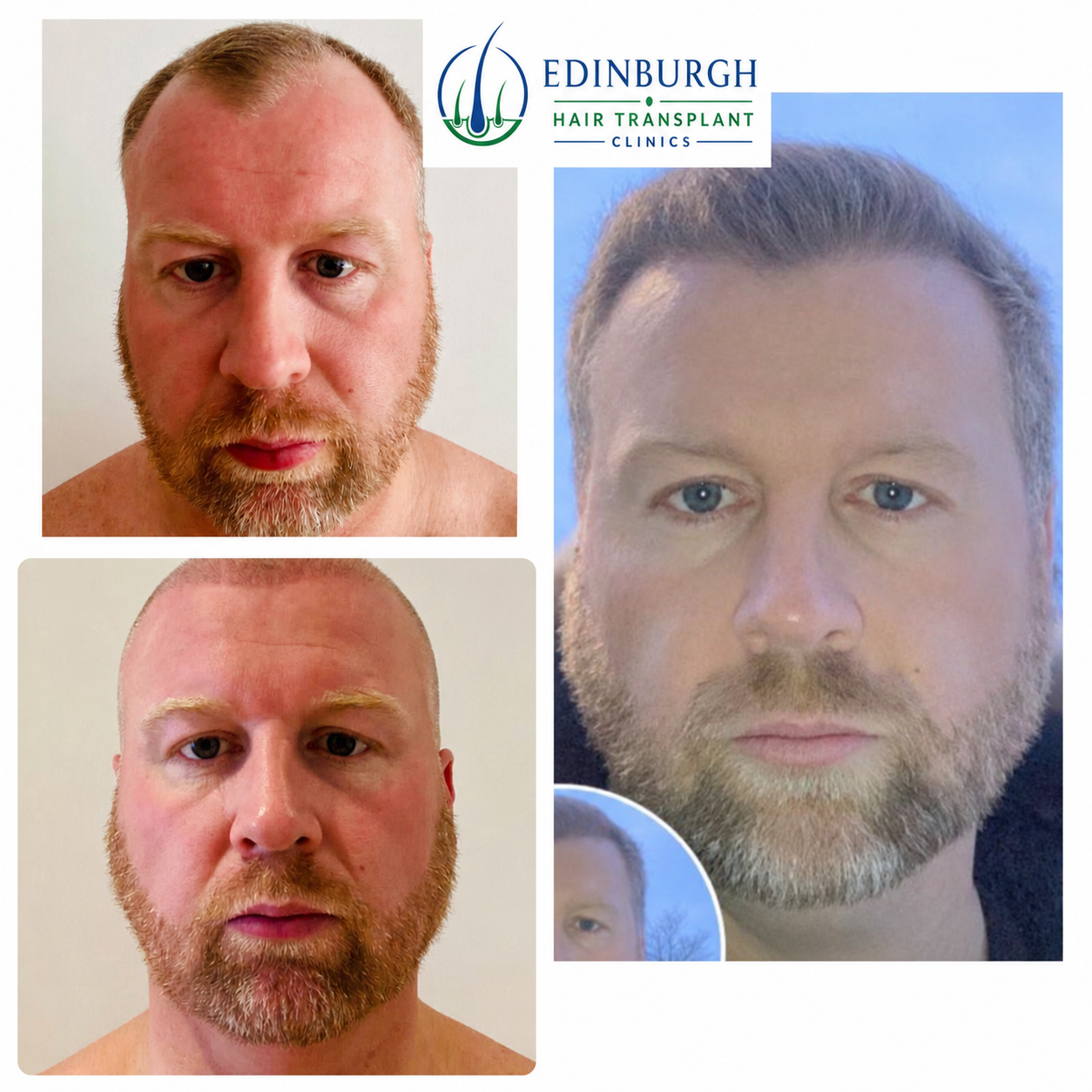
Frontal design should consider age, facial proportions, donor supply and possible future recession.
Hairline treatment information →Temple restoration requires careful planning of direction, angle and the transition into existing hair.
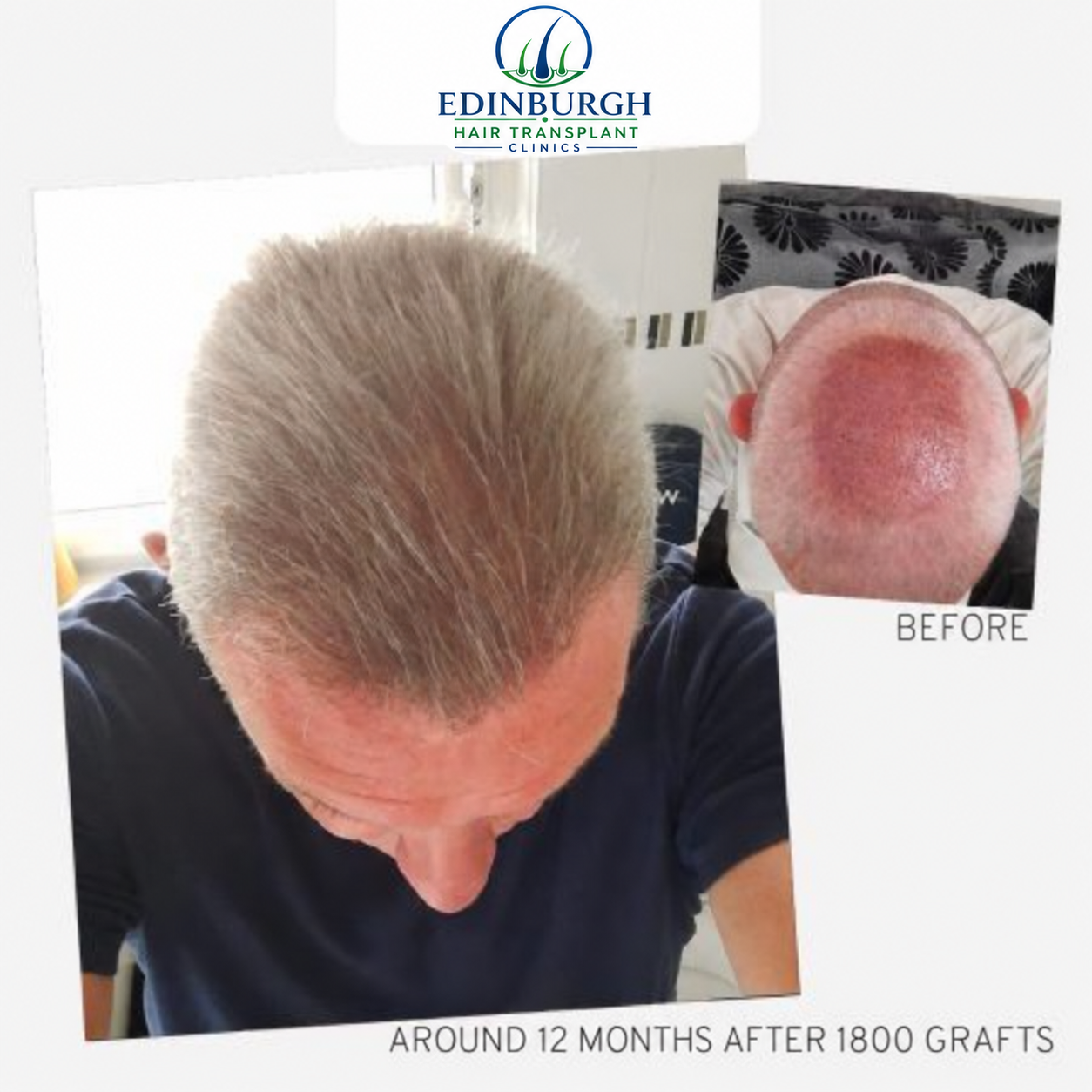
Temple treatment information →Crown treatment can require substantial graft numbers because of the size and natural whorl pattern.
Crown treatment information →Facial-hair restoration should consider natural direction, density and donor-hair characteristics.
Beard treatment information →Eyebrow transplantation requires fine grafts and careful control of angle and direction.
Eyebrow treatment information →Treatment planning may involve individual hairline, temple, facial hair or scar-restoration goals.
Transgender treatment information →Plan before deciding
Review consultation, suitability, techniques, recovery and realistic expectations.
Read the Edinburgh guide →Understand the factors that may affect graft estimates and individual quotations.
View treatment costs →Read the applicable payment conditions and confirm the full treatment price before booking.
Read payment information →Learn about the Edinburgh clinic, consultation approach and available treatments.
About Edinburgh Hair Transplant Clinics →Read information about Dr Harpreet Kalra and surgeon-led treatment planning.
Meet Dr Kalra →Request an assessment or contact the Edinburgh team about your hair-loss concerns.
Contact the Edinburgh clinic →Responsible patient information
Online information can help you prepare questions, but it cannot replace individual medical assessment or confirm whether surgery is suitable.
Patient feedback
Read patient feedback about consultations, communication, treatment-day organisation and aftercare.
Blog and treatment questions
No. Blog content provides general information. Suitability requires individual assessment of hair loss, medical history and donor supply.
There is no single best technique for everyone. The appropriate method depends on donor characteristics, graft requirements, scarring preferences and the treatment plan.
No. Graft survival, growth, density, healing, scarring and final appearance vary between patients.
Cost depends on the treatment area, estimated graft requirement, donor suitability, selected technique and procedure complexity.
Early growth may begin after several months, but it can initially be fine, uneven and gradual. Maturation develops over a longer period.
Temporary shedding of transplanted hairs can occur during the early recovery period before later growth develops.
Treatment should not be selected from an article alone. Consultation, diagnosis and donor assessment should take place first.
Complete the secure consultation form or call the clinic on 0131 639 0004.
Continue reading
Speak to the Edinburgh team
Discuss your hair-loss concerns, donor area, treatment options, costs, recovery and realistic expectations with Edinburgh Hair Transplant Clinics.
83 Princes St, Edinburgh, EH2 2ERCopyright © 2019-2026 Edinburgh Hair Transplant Clinics